
Scroll

New Episodes & Show Notes!
Featured

Five years ago, Sara and Misasha published Dear White Women: Let's Get (Un)comfortable Talking About Racism - and almost immediately got an email accusing them of being the racist ones for naming it.
On this anniversary episode, they finally answer the questions they've never asked each other out loud: What was the hardest feedback they ever received? What’s the most quoted, most powerful section of the book? And in a moment of DEI rollbacks and book bans, does the book's message still hold up - or does it hit even harder now?
This isn't a nostalgia lap. It's an honest look at what it costs to have these conversations, what changes when the political weather shifts, and why "getting uncomfortable" is still the whole point.
Picture a newsroom in Rome under dictator Benito Mussolini's fascist regime in the 1930s. A censor's red pencil moves down a page before it ever reaches a printing press.
Now picture a cell phone, right now, tonight: someone typing out a post, reading it back to themselves, and deleting it before they hit send.
Two moments, nearly a hundred years apart, but with the same instinct.
Silence isn't just what's left when words are cut, or people are quiet. It's something regimes - and sometimes just fear, or habit, or a culture - intentionally manufacture.
And that’s why we think talking about silence is so important, especially given where we are currently in the United States.
Today we're tracing the history of silence across three pivotal moments: the silence embedded in the American nativist movement in the 1800s, the fascist engineering of silence in the 1900s, and how observers today argue silence is being imposed again, with some tips as to how we best fight back (hint: we question. A lot).
If you were with us back in our early days, you remember we did a whole episode on redlining: the history of it, the literal red lines drawn on maps in the 1930s to keep Black and immigrant families out of the mortgage market, and how that legacy still shapes segregation and the racial wealth gap today. We’re including that full episode, edited slightly for context, in this conversation.
What we didn't fully appreciate back in 2019 is that the episode wasn't just a history lesson where we were looking back in time. Rather, it was actually the opening scene of this update you’re getting today.
A lot happened immediately after we recorded that episode that set the stage for everything that is occurring right now, in this second Trump administration, that directly impacts something that we care a LOT about: community, neighborhoods, and who gets to belong.
So we thought we’d revisit redlining as a way to show just how the fight for community itself is shifting over time, and how we’re all impacted by federal policy shifts designed to target those of us who are most vulnerable.
We hope you listen, share widely, and think about these issues as we head into a contentious midterm season.
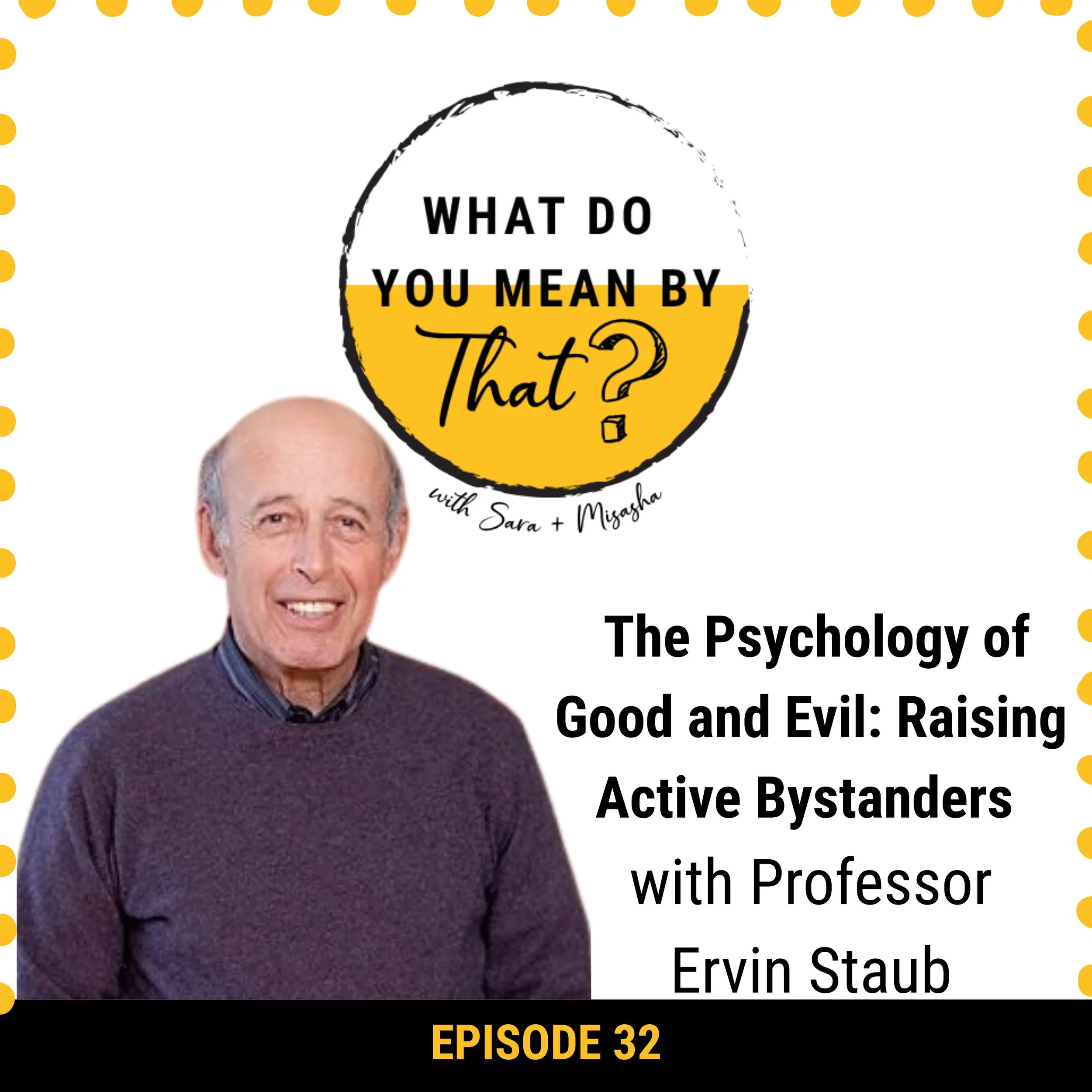
Here’s your chance to listen to a firsthand account of one of the most horrible parts of our recent human history, and how we stop it from happening again. This episode features a conversation with a psychologist whose life's work sits at the intersection of two of humanity's most extreme capacities: the capacity for cruelty, and the capacity for courage.
A survivor of the Holocaust in Hungary, hiding in Budapest as a six-year-old, he became a leading researcher on the psychology of genocide, group violence, and altruism - work that has shaped police training programs on "active bystandership," informed reconciliation efforts in Rwanda, and produced decades of research on what leads ordinary people to help others, even at personal risk.
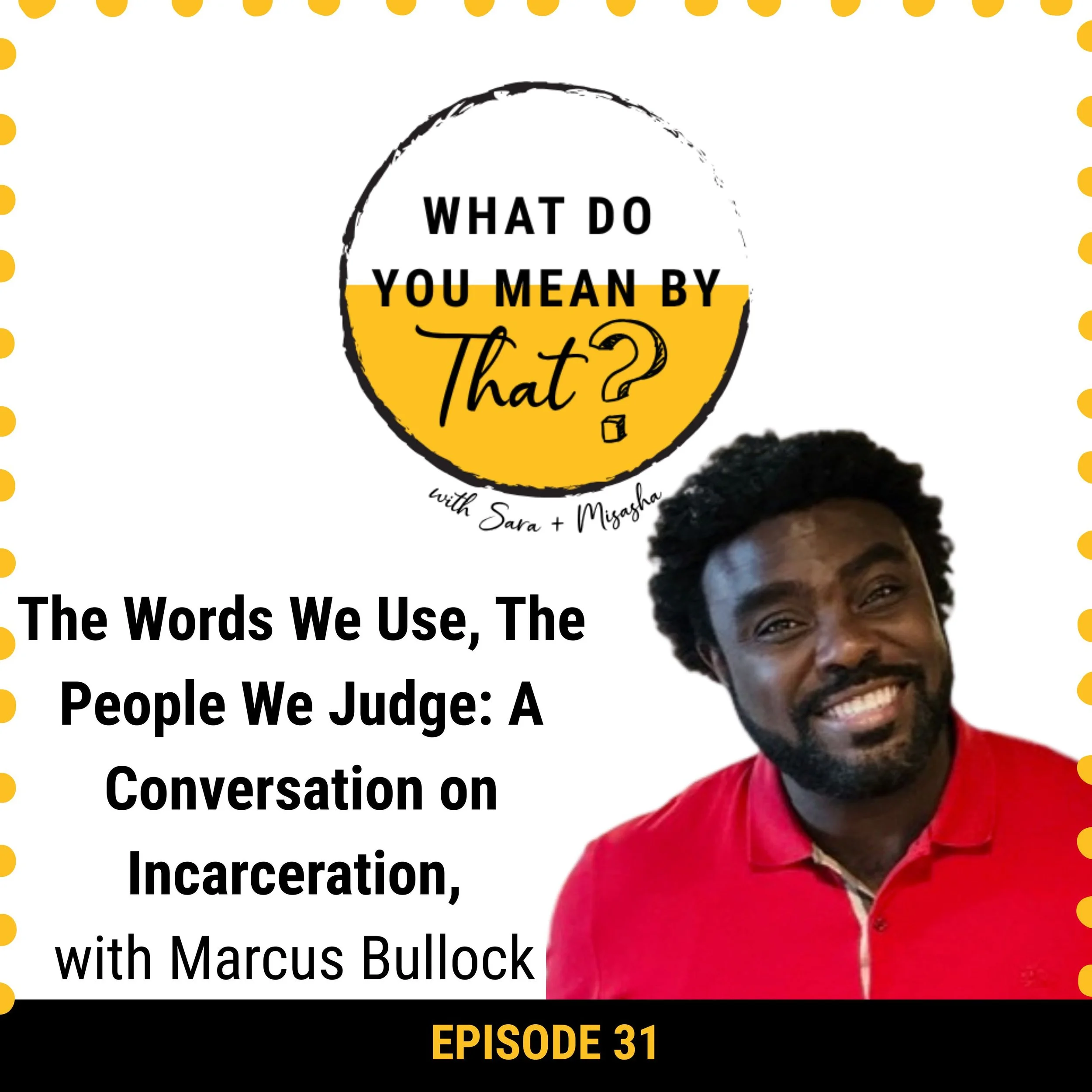
Do you know someone who's been incarcerated? Have you ever actually asked them their story, instead of judging them on that one fact?
Because 95% of incarcerated people eventually leave prison and come home. They are our neighbors, our coworkers, our family members.
Here’s why this is relevant to you today: This administration has made "tough on crime" the centerpiece of its second term - among other things, reviving the federal death penalty, pushing back against cashless bail reform, and pressuring prosecutors nationwide to seek harsher sentences (when, of course, it benefits them and/or the MAGA agenda). The message from Washington is loud and clear: punishment first, everything else second.
But here's a question nobody in Washington seems to be asking: what happens after?
How we treat people when they come home - whether we see them as people, or permanently as their worst mistake - says as much about us as any policy coming out of Washington.
So today we're going straight to a conversation that is one of our favorites, with someone who's lived both sides of this story: Marcus Bullock, CEO of Flikshop, who was incarcerated as a teenager and built a company helping formerly incarcerated people stay connected to their families and rebuild their lives. This is a conversation about what "law and order" actually looks like on the ground and in people - not just in the abstract.
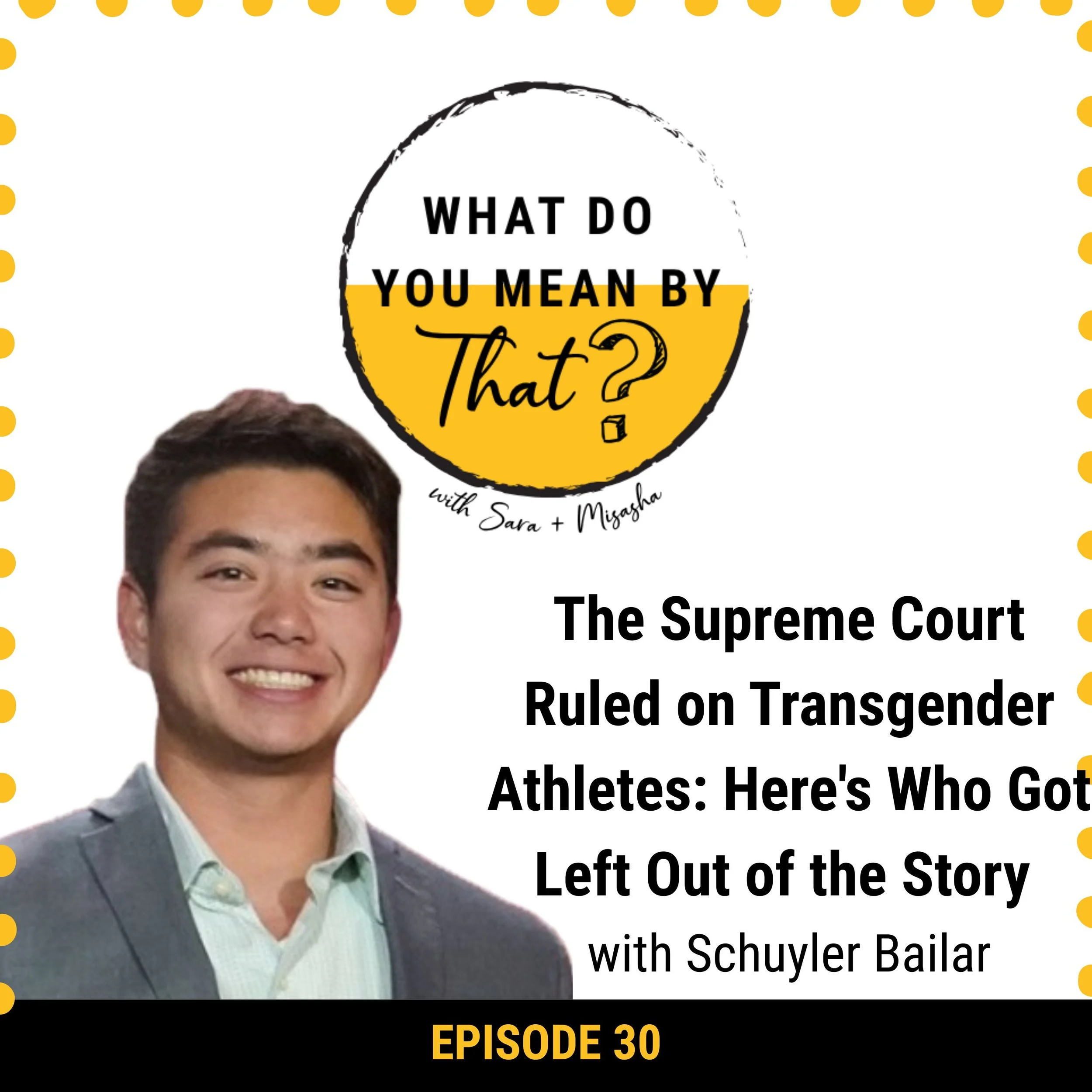
On June 30th, 2026, the Supreme Court ruled that states can bar transgender girls and women from competing on girls' and women's teams. Six to three. It's now the law in over half the country.
And however you feel about that ruling, here's what we noticed in the days after it came down: almost none of the coverage actually talked to a transgender kid, or the parent raising one.
It was all policy. All abstraction. It is a decision that, on paper, is about Title IX and biological sex and constitutional interpretation.
But underneath all that legal language is something much more personal: real kids, real families, real teams, and real decisions about who gets to belong. And let’s not forget: argued by people who've never sat across from an eight-year-old who already knows she's going to be treated differently.
So we went back into our archive. A while back, we sat down with a remarkable mom, Jaime, raising a transgender daughter in Florida. And more recently, we talked with Schuyler - you might know him as Pink Manta Ray - a multiethnic Korean American trans educator, the first transgender Division 1 athlete on a men’s team while at Harvard, and author of He, She, They:
How We Talk About Gender and Why It Matters.
We're combining pieces of both conversations into one episode, because we think you need both things right now: Jaime's story, to feel it - and Schuyler's clarity, to know what to actually say and not say when it comes up in your own life.
These aren’t talking points. These are ways to simply see the humanity in each other. Please listen, and share widely.
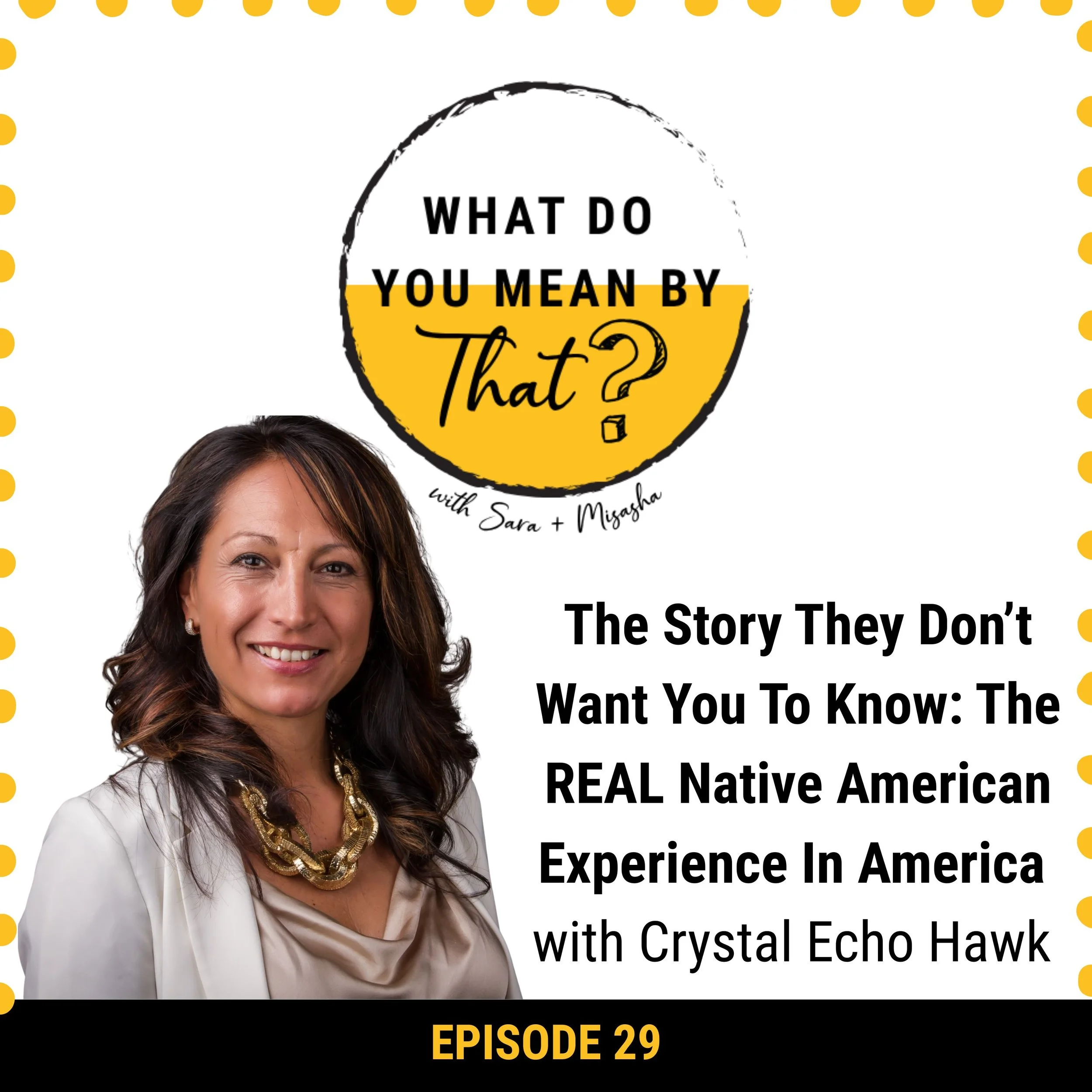
Crystal Echo Hawk's daughter gets asked if she still lives in a teepee. And Crystal's response isn't rage - it's something more unsettling.
She gets it.
Because 87% of American schools stop teaching about Native peoples after 1900, and 78% of Americans know very little about Native people. So that question, as painful as it is, makes a terrible kind of sense. The last data point most Americans have on Native people is somewhere around third grade. And then nothing.
Crystal Echo Hawk is a citizen of the Pawnee Nation of Oklahoma, the former executive director of IllumiNative, a national, native-led, non-profit organization born out of the “Reclaiming Native Truth Project“, a research project from 2016-2018, and was the largest public opinion research project ever conducted about native people.
She is one of the most important voices in the country on what it actually means to be Native American in America today - not in a history book, not in a Halloween costume aisle, not doing the horrifying tomahawk chop in a stadium.
This is a conversation you won’t want to miss.
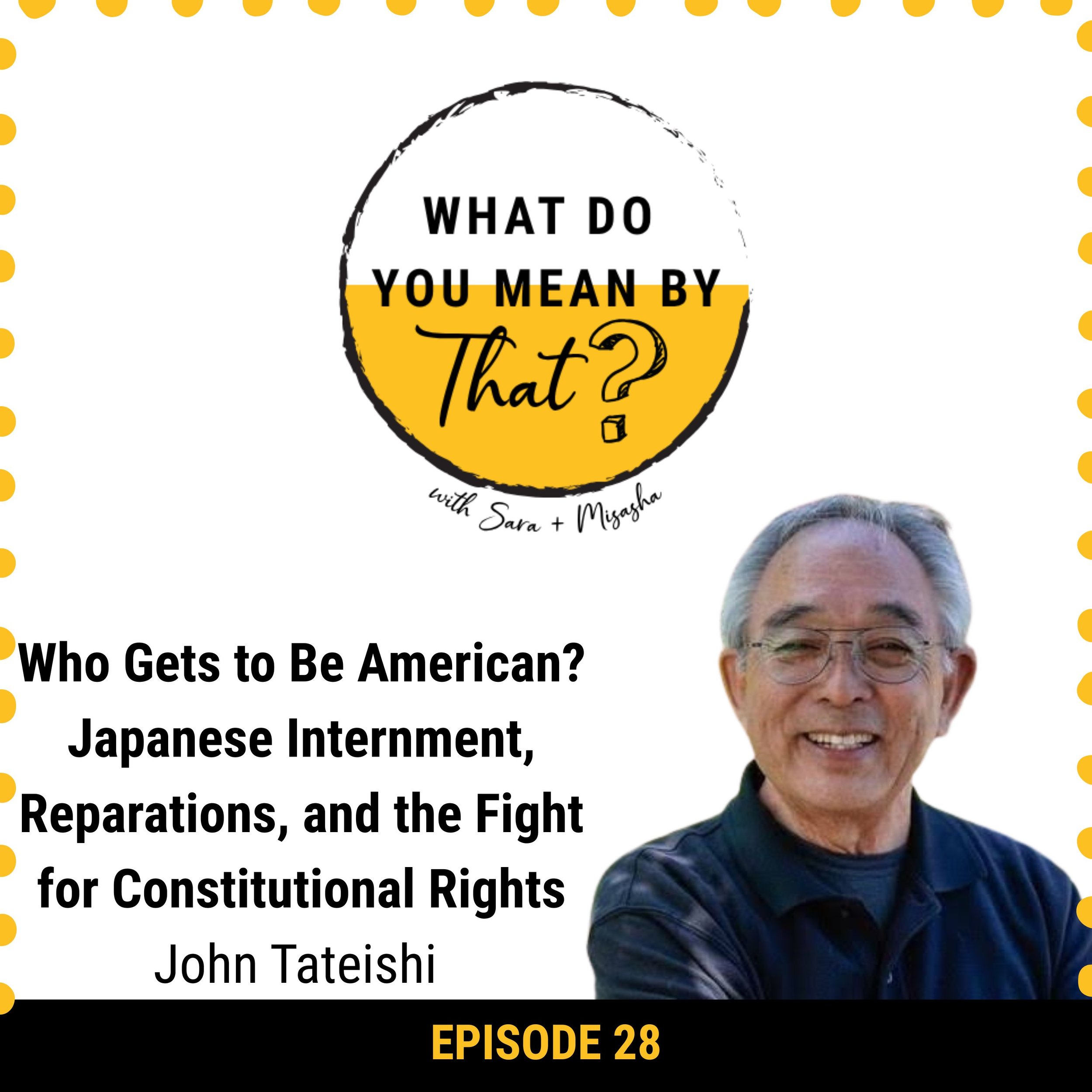
Imagine you're six years old. You look out past a barbed wire fence at a highway in the desert, and every single car that passes by is driven by someone white. The teachers who come to your school? White. The guards in the towers above you, also white. And you think to yourself: is this America? Or is America out there?
That child was John Tateishi. He was almost three years old when the U.S. government forced his entire family - along with 120,000 other Japanese Americans - from their homes and into concentration camps on American soil. His family ended up at Manzanar. And when the war ended, they were handed $25 and told to find their way home.
What John did with that childhood - with that rage, that clarity, that love of country despite everything this country did to him - is an important story in American history, and honestly one that many adults may not have even learned in their history classes growing up.
He went on to lead the Japanese American redress campaign, helping secure a formal government apology and reparations. He's the author of Redress: The Inside Story of the Successful Campaign for Japanese American Reparations. He shares a lot about what that fight means today - for the Black reparations movement, for anti-Asian hate, and for the question that sits at the center of all of it: Who gets to be American?
As we move towards a celebration of America’s birthday, that question sits front and center for many of us, as we’re actively being told that we’re not American. These stories show us not only how we reject that narrow view, but also how to fight for ourselves and one another while loving our communities, families, and country at the same time.
Why the rebrand + what to expect:
After six years of laying a deep foundation to better understand the history and systems that have made our country what it is, we are super excited about broadening the scope of the conversations we get to have on the show - including more focus on well-being, empathy, and what it takes for all of us to thrive as human beings.

We hear a lot about people wanting to be on the right side of history, when their grandkids are sitting on their laps asking them what they did during this unprecedented time.
But information is coming at all of us faster than we can process it, analyze it, or question it.
We want to help distill complicated thoughts into more essential understanding.
So what better than to use our favorite question - what do you mean by that? - to bring you shorter, punchier episodes deconstructing current events, learning from experts, and continuing to suggest actions we can take to stay on the humane side of history.
Whether you're a seasoned expert or new to the work, you'll find yourself listening, learning, and feeling inspired to do something new after each episode.
If you can never get enough information but also don’t want to feel overwhelmed… Congratulations, you’ve found your people.
Follow to join a community of curious folks who constantly wonder: what do you mean by that?
